What is the temperature rise of a transformer:What is the temperature rise of a transformer?
Q: What is the temperature rise of a transformer?
A: The temperature rise of a transformer is the difference between the temperature of its hottest spot or average winding and the ambient temperature, typically measured in degrees Celsius or Kelvin. It is a critical design parameter because it determines insulation life and loading capability. For example, if a transformer's winding reaches 95°C in a 40°C ambient, the temperature rise is 55°C. Standard limits, such as those in IEEE C57.12.00 or IEC 60076, specify maximum rises like 65°C for average winding and 80°C for hottest spot over ambient, depending on insulation class. Temperature rise arises from copper losses (I²R) and core losses (hysteresis and eddy currents), which generate heat. Cooling methods—ONAN, ONAF, OFAF—affect how effectively that heat is dissipated, thereby limiting the temperature rise for a given load.
Q: How is temperature rise measured in a transformer?
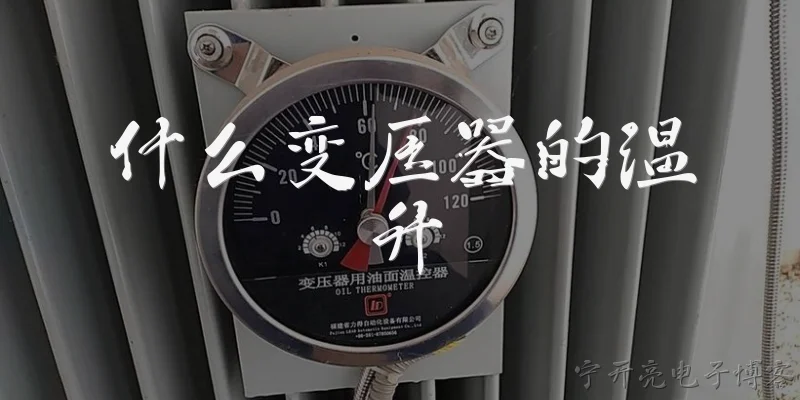
A: Temperature rise is measured by determining the temperature of the windings and the ambient air, then subtracting ambient from winding temperature. Winding temperature is often obtained indirectly using the resistance method: the winding's DC resistance changes with temperature, so you measure cold resistance at a known temperature, then hot resistance after a heat run, and calculate the average winding temperature via the formula T2 = (R2/R1)(T1 + 234.5) - 234.5 for copper (or 225 for aluminum). Alternatively, embedded temperature sensors like fiber-optic probes or thermocouples give direct spot readings. Ambient temperature is measured with several calibrated thermometers placed around the transformer. During a factory heat run, the transformer is loaded until temperatures stabilize, and the rise is recorded. Field measurements can also be made using infrared thermography or online monitoring systems, but accuracy depends on load and cooling conditions.
Q: What are the standard temperature rise limits for oil-immersed transformers?
A: For oil-immersed transformers, IEEE C57.12.00 and IEC 60076-2 set standard temperature rise limits based on insulation class and cooling method. Typically, the average winding rise over ambient is limited to 65°C when measured by resistance, and the top-oil rise is limited to 60°C (for ONAN/ONAF) or 65°C for some classes. The hottest-spot winding rise is usually limited to 80°C. These limits assume a maximum ambient of 40°C and a 24-hour average of 30°C, ensuring that insulation thermal aging remains acceptable. For example, with a 65°C average winding rise, the average winding temperature at rated load and 40°C ambient would be 105°C, which is below the 110°C limit for 65°C rise insulation systems. Exceeding these limits accelerates insulation degradation and shortens transformer life, so protective relays and cooling controls are set to keep rises within prescribed values.
Q: Why is temperature rise important for transformer loading and life?
A: Temperature rise directly affects transformer insulation life because thermal aging of paper and oil follows the Arrhenius law: for every 6–8°C increase in hottest-spot temperature, insulation life is halved. Thus, a higher temperature rise for a given ambient reduces the permissible continuous load. Transformers are rated in kVA based on a specified temperature rise that yields normal life expectancy (e.g., 20–30 years). If a transformer operates with a higher temperature rise than designed, the insulation degrades faster, risking short circuits and failure. Conversely, lower temperature rise allows overloading under certain conditions, as defined in loading guides like IEEE C57.91. Temperature rise also impacts cooling equipment sizing and protection settings. Therefore, monitoring and controlling temperature rise—through proper cooling, load management, and maintenance—is essential to maximize transformer reliability and lifespan.
Words of experience
Common scenarios of "What is the temperature rise of a transformer"
【Electrical Engineer】 Hey, I have a question about transformer temperature rise. What exactly does that term mean?
【Transformer Specialist】 Temperature rise refers to the increase in temperature of a transformer's components above the ambient temperature when it's operating under load.
【Electrical Engineer】 So it's not the absolute temperature, but the difference from the surrounding air?
【Transformer Specialist】 Exactly. For example, if the ambient is 30°C and the winding temperature is 80°C, the temperature rise is 50°C.
【Electrical Engineer】 Why is temperature rise important?
【Transformer Specialist】 It's critical because excessive temperature rise can degrade insulation, reduce transformer lifespan, and even cause failure.
【Electrical Engineer】 What are typical acceptable limits?
【Transformer Specialist】 For oil-immersed transformers, the winding temperature rise is usually limited to 65°C, and the top-oil rise to 60°C, measured by resistance or sensors.
【Electrical Engineer】 And for dry-type transformers?
【Transformer Specialist】 Dry-type transformers typically have lower limits, often around 80°C to 150°C depending on the insulation class, but they can operate at higher absolute temperatures.
【Electrical Engineer】 How is temperature rise measured?
【Transformer Specialist】 It's measured using temperature sensors like thermocouples or resistance temperature detectors (RTDs) placed in the windings and oil, during a heat run test.
【Electrical Engineer】 What factors affect temperature rise?
【Transformer Specialist】 Load current, cooling method (ONAN, ONAF, etc.), ambient temperature, design of the core and windings, and insulation materials all play a role.
【Electrical Engineer】 Can temperature rise be too low?
【Transformer Specialist】 Yes, if it's too low, it might indicate oversized cooling or that the transformer is underloaded, which isn't necessarily bad but can be inefficient.
【Electrical Engineer】 How does loading affect it?
【Transformer Specialist】 Temperature rise increases roughly with the square of the load current due to I²R losses, so overloading causes a significant rise.
【Electrical Engineer】 What about ambient temperature variations?
【Transformer Specialist】 Higher ambient temperatures reduce the allowable rise to keep absolute temperatures within limits, so transformers are often derated in hot climates.
【Electrical Engineer】 Are there standards for temperature rise?
【Transformer Specialist】 Yes, standards like IEEE C57.12.00 and IEC 60076 specify temperature rise limits and testing procedures.
【Electrical Engineer】 What happens if temperature rise exceeds limits?
【Transformer Specialist】 It accelerates aging of insulation, increases risk of short circuits, and can lead to premature failure or fire.
【Electrical Engineer】 How can temperature rise be reduced?
【Transformer Specialist】 Improving cooling (fans, oil pumps), using better insulation, reducing load, or selecting a transformer with a lower design temperature rise.
【Electrical Engineer】 Thanks, that clarifies a lot. So it's all about managing heat to ensure reliability.
【Transformer Specialist】 Exactly. Temperature rise is a key design and operational parameter for transformer safety and longevity.