Advantages of transformer bushings:What are the main advantages of transformer bushings in terms of insulation performance?
Q: What are the main advantages of transformer bushings in terms of insulation performance?
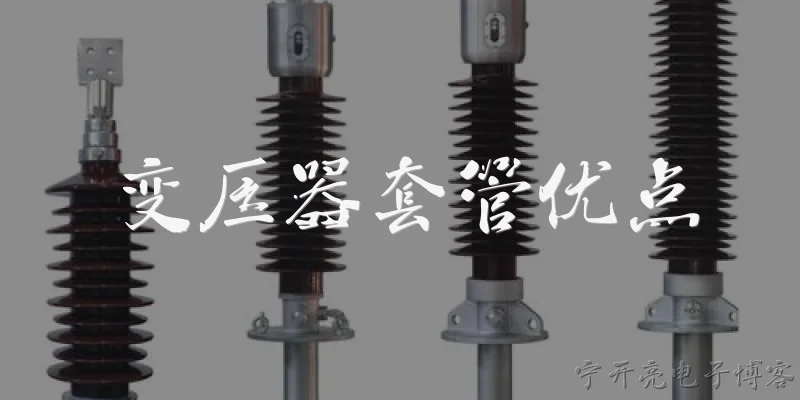
A: Transformer bushings offer superior insulation performance compared to other connection methods. They are designed to withstand high voltage stresses and provide a reliable barrier between the current-carrying conductor and the grounded transformer tank. The insulation materials, such as oil-impregnated paper or epoxy resin, have high dielectric strength, which minimizes the risk of flashover and breakdown. Additionally, bushings are engineered to handle transient overvoltages from lightning or switching surges, ensuring the transformer's safety. This robust insulation helps maintain proper clearance and prevents electrical faults, making bushings essential for both distribution and power transformers. Overall, their insulation advantages contribute to the reliable and safe operation of the transformer.
Q: How do transformer bushings contribute to the mechanical strength and durability of a transformer?
A: Transformer bushings provide significant mechanical strength and durability. They are constructed with sturdy materials like porcelain, composite polymers, or resin, which can withstand mechanical forces such as short-circuit currents, wind, and seismic activity. The bushing's design ensures that the conductor is securely supported and isolated from the tank, preventing movement that could lead to damage. Moreover, bushings are resistant to environmental factors like moisture, pollution, and temperature variations, which enhances their longevity. This mechanical robustness reduces the need for frequent maintenance and replacement, lowering operational costs. By maintaining structural integrity under various stresses, bushings help ensure the transformer remains operational and reliable over its lifespan.
Q: What are the advantages of transformer bushings in terms of installation and maintenance?
A: Transformer bushings offer ease of installation and maintenance, which is a key advantage. They are designed as modular components that can be easily mounted on the transformer tank, often with standardized fittings. This simplifies the assembly process and reduces downtime during installation or replacement. For maintenance, bushings can be inspected and tested without major disassembly, allowing for quick identification of issues like contamination or degradation. Some modern bushings include monitoring features, such as capacitance and power factor taps, enabling condition-based maintenance. This proactive approach helps prevent unexpected failures and extends the transformer's service life. Overall, the design of bushings facilitates efficient installation and cost-effective maintenance, enhancing overall operational efficiency.
Q: How do transformer bushings improve safety and reliability in power distribution systems?
A: Transformer bushings significantly enhance safety and reliability in power distribution. By providing a sealed and insulated path for conductors, they prevent accidental contact with live parts, reducing the risk of electric shock and short circuits. Their ability to contain faults within the bushing minimizes the impact on the surrounding environment and equipment. Additionally, bushings are tested to meet stringent standards, ensuring they perform reliably under normal and fault conditions. The use of bushings also allows for proper grounding and shielding, which mitigates electromagnetic interference. This reliability translates to fewer outages and improved power quality. Consequently, transformer bushings are critical for the safe and continuous operation of electrical grids, protecting both personnel and assets.
Words of experience
Common scenarios of "Advantages of transformer bushings"
【Electrical Engineer】 Hey, I've been hearing a lot about transformer bushings lately. What exactly are they and why are they so important?
【Transformer Specialist】 Great question! Transformer bushings are critical components that allow electrical conductors to pass through the transformer tank while insulating them from the grounded tank. They ensure safe and efficient power transfer.
【Electrical Engineer】 I see. So what are the main advantages of using modern transformer bushings compared to older designs?
【Transformer Specialist】 Modern bushings, especially those using materials like epoxy resin or oil-impregnated paper, offer higher dielectric strength, better thermal stability, and improved mechanical robustness. They also have lower dielectric losses, which improves overall efficiency.
【Electrical Engineer】 That sounds impressive. How do they handle high voltage and current conditions?
【Transformer Specialist】 They are designed with carefully graded insulation and conductive layers to control electric field distribution. This prevents corona discharge and flashover, even under high voltage. For current, they use large conductive studs and efficient cooling to handle high currents without overheating.
【Electrical Engineer】 What about maintenance? Are they low maintenance?
【Transformer Specialist】 Absolutely. Modern bushings often come with monitoring features like capacitance and power factor testing, which allow early detection of issues. They are also sealed to prevent moisture ingress, reducing maintenance needs compared to older, open-type bushings.
【Electrical Engineer】 Are there different types of bushings for different applications?
【Transformer Specialist】 Yes, there are several types: oil-impregnated paper bushings for high voltage, resin-impregnated paper bushings for medium voltage, and composite bushings for outdoor applications where pollution is a concern. Each has its own advantages.
【Electrical Engineer】 What about environmental factors? How do they withstand harsh conditions?
【Transformer Specialist】 Composite bushings, for example, have silicone rubber sheds that provide excellent hydrophobicity, meaning they repel water and resist pollution. They also have UV resistance and can operate in extreme temperatures.
【Electrical Engineer】 I've heard about some bushings failing. What causes that and how can it be prevented?
【Transformer Specialist】 Failures can occur due to moisture ingress, partial discharge, or thermal degradation. However, with proper design, regular testing, and monitoring, these risks are minimized. Modern bushings are tested extensively before installation.
【Electrical Engineer】 So overall, what are the key benefits that make transformer bushings indispensable?
【Transformer Specialist】 They provide reliable insulation, efficient power transfer, and safety. They also enable compact transformer designs and are crucial for grid stability. Without them, transformers couldn't operate at high voltages.
【Electrical Engineer】 Thanks, that's very informative. I'll definitely consider these advantages in my next project.
【Transformer Specialist】 You're welcome! If you have more questions, feel free to ask. Good luck with your project!
【Electrical Engineer】 Will do. Have a great day!
【Transformer Specialist】 You too!