Lead-acid battery specifications:What are the key specifications of a lead-acid battery?
Q: What are the key specifications of a lead-acid battery?
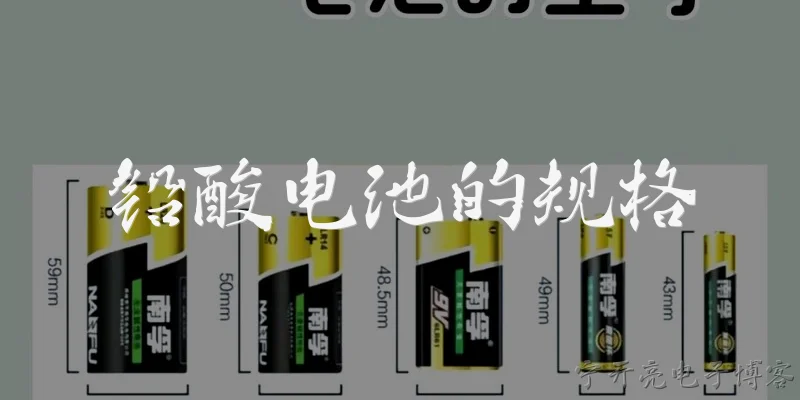
A: Key specifications of a lead-acid battery include voltage, capacity, cold cranking amps, reserve capacity, and cycle life. Voltage is typically 2V per cell, with 6V, 12V, and 24V batteries common. Capacity, measured in ampere-hours (Ah), indicates how much charge the battery can store; common values range from 5Ah to over 200Ah. Cold cranking amps (CCA) measure the battery's ability to start an engine in cold weather, often between 200 and 1000 CCA. Reserve capacity (RC) is the minutes it can deliver 25A at 80°F. Cycle life depends on depth of discharge and can range from 200 to 1000 cycles. Other specs include internal resistance, self-discharge rate, and physical dimensions. These specifications help determine the battery's suitability for applications like automotive starting, deep-cycle use, or backup power.
Q: How does battery capacity (Ah) relate to lead-acid battery specifications?
A: Battery capacity in ampere-hours (Ah) is a critical lead-acid battery specification that defines the total charge the battery can deliver over a specific period. It is typically rated at a 20-hour discharge rate (C20). For example, a 100Ah battery can supply 5A for 20 hours. Capacity varies with discharge rate; higher currents reduce usable capacity due to Peukert's effect. Temperature also affects capacity; cold reduces it, while heat increases it but shortens life. When comparing batteries, ensure the same discharge rate is used. Capacity directly impacts runtime for applications like inverters or trolling motors. It also determines the required charging current, usually 10-20% of Ah for optimal charging. Understanding Ah helps in sizing battery banks for specific energy needs.
Q: What do CCA and RC mean in lead-acid battery specifications?
A: CCA (Cold Cranking Amps) and RC (Reserve Capacity) are key lead-acid battery specifications for automotive and marine starting batteries. CCA measures the current a battery can deliver for 30 seconds at 0°F while maintaining at least 7.2 volts. It indicates starting power in cold climates; higher CCA means better cold-weather performance. RC is the number of minutes a fully charged battery can deliver 25 amps at 80°F before voltage drops below 10.5 volts. It represents how long the battery can power essential accessories if the alternator fails. Both specs are crucial for selecting a battery for vehicles or boats. A battery with high CCA is good for starting, while high RC provides longer backup for electronics. They are often listed on the battery label alongside Ah and dimensions.
Q: What voltage specifications should I consider for lead-acid batteries?
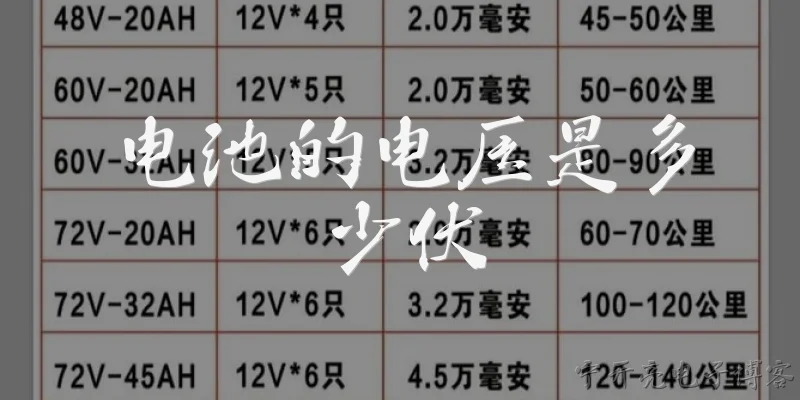
A: Voltage specifications for lead-acid batteries depend on the number of cells and application. Each lead-acid cell produces about 2.1 volts nominal. Common battery voltages are 6V (3 cells), 12V (6 cells), and 24V (12 cells). 12V is standard for automotive, while 6V is used in older vehicles, golf carts, and some deep-cycle applications. 24V or 48V systems are common in solar and industrial settings, often made by connecting multiple 12V batteries in series. Note that nominal voltage differs from actual: a 12V battery reads about 12.6V at full charge and 11.8V at 50% depth of discharge. Charging voltages are higher, typically 13.8-14.4V for float and 14.4-14.8V for cyclic use. Always match battery voltage to the system requirements to avoid damage or inefficiency.
Dialogue about
Common scenarios of "Lead-acid battery specifications"
【Customer】 Hi, I'm looking for a lead-acid battery for my solar power system. Can you tell me about the specifications?
【Sales Engineer】 Hello! I'd be happy to help. Lead-acid batteries come in different types: flooded, gel, and AGM. What capacity and voltage are you looking for?
【Customer】 I need a 12V battery with around 100Ah capacity. Which type would you recommend for solar?
【Sales Engineer】 For solar applications, AGM or gel are often preferred because they are maintenance-free and handle deep cycling better. Flooded batteries require regular watering.
【Customer】 What about the cycle life? How many cycles can I expect from an AGM battery?
【Sales Engineer】 Typically, a good AGM battery can provide 500-800 cycles at 50% depth of discharge (DoD). If you discharge less, cycle life increases.
【Customer】 That's good to know. What is the recommended charging voltage for a 12V AGM battery?
【Sales Engineer】 For AGM, the bulk/absorption charge voltage is usually 14.4-14.8V, and float charge is 13.5-13.8V. Temperature compensation is also important.
【Customer】 Can I use my existing charge controller with these settings?
【Sales Engineer】 Most modern MPPT charge controllers have selectable battery profiles. You should set it to AGM mode or manually adjust to the voltages I mentioned.
【Customer】 What about the physical size and weight? I have limited space.
【Sales Engineer】 A 12V 100Ah AGM battery typically weighs around 30-35 kg and dimensions are about 330x175x220 mm. Gel batteries are similar, while flooded may be larger.
【Customer】 That might be too heavy. Are there any lighter options with similar capacity?
【Sales Engineer】 Lead-acid is inherently heavy. If weight is a concern, you might consider lithium batteries, but they are more expensive. Within lead-acid, AGM is generally lighter than flooded.
【Customer】 I see. What is the shelf life of an AGM battery if not used?
【Sales Engineer】 AGM batteries have a low self-discharge rate, about 2-3% per month. They can be stored for up to 6 months without charging, but it's best to recharge every 3 months.
【Customer】 Do I need to ventilate the battery compartment?
【Sales Engineer】 Yes, even AGM batteries can release small amounts of gas if overcharged. Proper ventilation is recommended to avoid hydrogen accumulation.
【Customer】 What about the warranty? How long do these batteries typically last?
【Sales Engineer】 Most AGM batteries come with a 1-2 year warranty. With proper care, they can last 3-5 years in solar applications. Would you like a quote for a specific model?