Lithium battery backup power supply:What is a lithium battery backup power supply and how does it work?
Q: What is a lithium battery backup power supply and how does it work?
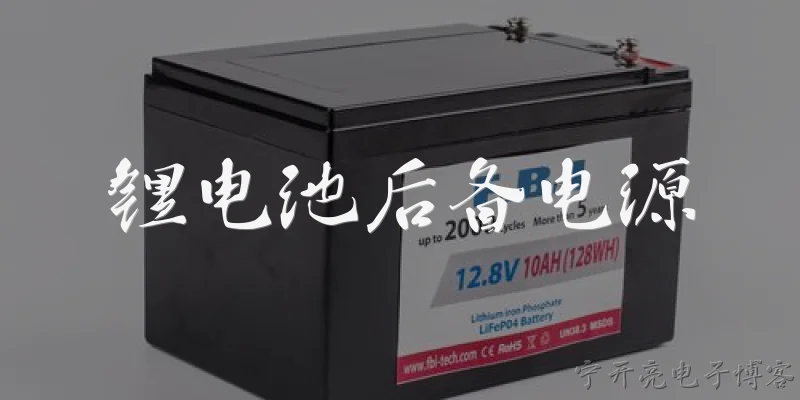
A: A lithium battery backup power supply is an energy storage system that uses lithium-ion or lithium iron phosphate (LiFePO4) cells to provide electricity during grid outages or as a portable power source. It typically includes a battery management system (BMS), an inverter, and charging circuitry. When mains power fails, the inverter converts DC power from the battery into AC power for connected devices. According to the U.S. Department of Energy's 2023 Energy Storage Grand Challenge report, lithium-based systems offer high energy density and round-trip efficiency exceeding 90%, making them ideal for backup power in homes and businesses.
Q: What are the safety considerations for lithium battery backup power supplies?
A: Safety considerations include thermal runaway prevention, overcharge protection, and proper ventilation. Lithium batteries can catch fire if damaged or improperly charged. The National Fire Protection Association (NFPA) 855 standard, published in 2020, sets requirements for lithium battery installation, including separation distances and fire suppression. Additionally, the UL 9540 standard for energy storage systems and UL 9540A fire testing help ensure safety. Users should follow manufacturer instructions, avoid high temperatures, and use certified BMS. The U.S. Consumer Product Safety Commission has reported incidents, emphasizing the need for certified products.
Q: How long can a lithium battery backup power supply run a typical home?
A: Runtime depends on battery capacity and load. A typical home backup system with a 10 kWh lithium battery can power essential circuits (refrigerator, lights, internet) for 8–12 hours. The U.S. Energy Information Administration notes the average U.S. home uses about 30 kWh per day, so a 10 kWh battery provides roughly one-third of daily needs. For whole-home backup, larger systems (20–30 kWh) may last 1–2 days. The DOE's 2022 report on residential energy storage indicates that lithium systems maintain capacity better than lead-acid during prolonged outages.
Q: What are the environmental benefits of lithium battery backup power supplies?
A: Lithium battery backup systems reduce reliance on diesel generators, cutting greenhouse gas emissions and air pollution. They enable greater use of renewable energy by storing excess solar or wind power. According to the U.S. Environmental Protection Agency's 2023 report on energy storage, lithium batteries have a lower life-cycle carbon footprint than fossil-fuel generators, especially when charged from renewables. However, mining and disposal challenges remain. The DOE's 2023 Lithium Battery Recycling Prize highlights efforts to improve recycling. Overall, these systems support decarbonization and energy resilience when managed responsibly.
Q: What maintenance do lithium battery backup power supplies require?
A: Lithium battery backup systems require minimal maintenance compared to lead-acid. They need periodic firmware updates for the BMS and inverter, and occasional cleaning of vents. The battery should be kept at moderate temperatures (ideally 15–25°C) to maximize lifespan. Manufacturers often recommend a full discharge and recharge every few months for calibration. According to the DOE's 2021 Energy Storage Handbook, lithium batteries can last 10–15 years with proper care. Regular inspections for swelling, corrosion, or error codes are advised. Always follow the manufacturer's maintenance schedule and use certified technicians for servicing.
Dialogue about
Common scenarios of "Lithium battery backup power supply"
【Consumer】 I'm looking for a backup power supply for my home. I heard lithium batteries are good. Can you explain what they are?
【Expert】 Sure! Lithium battery backup power supplies use lithium-ion or lithium iron phosphate (LiFePO4) batteries to store energy. They provide power during outages and are more efficient and longer-lasting than traditional lead-acid batteries.
【Consumer】 What are the main advantages of lithium over lead-acid?
【Expert】 Lithium batteries have higher energy density, so they're lighter and smaller. They also have a longer lifespan, typically 5-10 years, and can handle deeper discharges without damage. Plus, they charge faster.
【Consumer】 Are there different types of lithium batteries used in backup systems?
【Expert】 Yes, the most common are lithium-ion (Li-ion) and lithium iron phosphate (LiFePO4). LiFePO4 is safer and has a longer cycle life, making it popular for home backup. Li-ion is more energy-dense but slightly less stable at high temperatures.
【Consumer】 Which one would you recommend for a home backup system?
【Expert】 For home use, I'd recommend LiFePO4 because of its safety, longevity, and thermal stability. It's less likely to catch fire and can withstand more charge cycles.
【Consumer】 How do I determine the right capacity for my needs?
【Expert】 First, calculate your essential power needs during an outage. List the appliances you want to run and their wattage, then estimate how many hours you need them. Multiply to get watt-hours, then choose a battery with at least that capacity, plus some buffer.
【Consumer】 Can you give an example?
【Expert】 Sure. If you want to run a refrigerator (150W), a few lights (50W), and a laptop (50W) for 8 hours, that's 250W total. 250W * 8h = 2000Wh. So you'd need at least a 2kWh battery, but I'd suggest 2.5-3kWh to be safe.
【Consumer】 What about the inverter? Do I need a separate one?
【Expert】 Many lithium backup systems come with a built-in inverter, which converts DC power from the battery to AC for your home. If you're building a DIY system, you'll need to match the inverter's capacity to your battery and load.
【Consumer】 Are there any safety concerns with lithium batteries?
【Expert】 Yes, but they are minimal with proper use. Avoid overcharging, overheating, and physical damage. Use a battery management system (BMS) to monitor and protect the battery. LiFePO4 is inherently safer than other lithium chemistries.
【Consumer】 How long do these batteries last?
【Expert】 LiFePO4 batteries can last 2000-5000 cycles, which translates to 5-10 years or more, depending on usage. Li-ion typically lasts 500-1000 cycles. So LiFePO4 is more cost-effective in the long run.
【Consumer】 What maintenance do they require?
【Expert】 They are low maintenance. Just keep them in a cool, dry place, avoid extreme temperatures, and check connections periodically. The BMS handles most of the management.
【Consumer】 Thanks for the info! I'll look into LiFePO4 for my home.