DIY Waste Electronic Components:What are some creative DIY projects I can make with waste electronic components?
Q: What are some creative DIY projects I can make with waste electronic components?
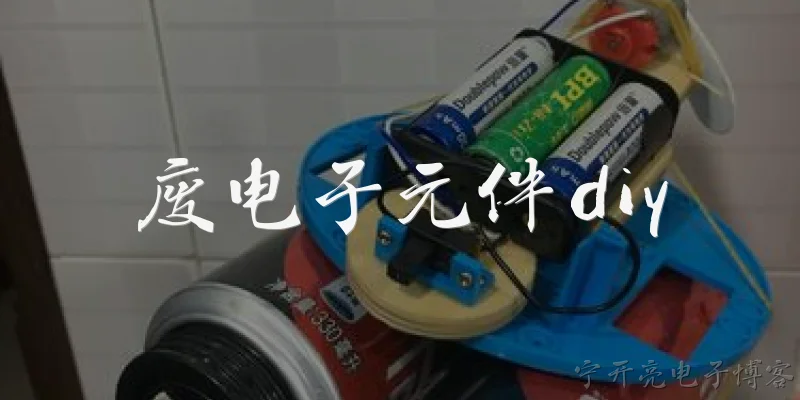
A: Waste electronic components offer endless possibilities for creative DIY projects. You can repurpose old circuit boards into unique jewelry like earrings or pendants by cutting and sanding them into shapes. Old hard drive platters make excellent coasters or wind chimes due to their shiny, reflective surfaces. Capacitors and resistors can be arranged into steampunk-style sculptures or miniature robots. For a functional project, turn an old computer fan into a mini desk fan by adding a small solar panel. LEDs salvaged from broken devices can be used to create custom light-up signs or decorative lamps. You can also build a simple FM transmitter from old transistors and capacitors, or create a theremin using an old radio's components. For beginners, start with a 'component shadow box'—arrange various electronic parts in a frame to display their intricate beauty. Always ensure components are de-soldered safely and avoid those containing hazardous materials like mercury or lead. With a bit of imagination, e-waste becomes a treasure trove for art and functional gadgets.
Q: How can I safely extract and reuse electronic components from e-waste?
A: Safely extracting components from e-waste requires proper tools and precautions. First, wear safety glasses, gloves, and a respirator to avoid inhaling dust or fumes. Work in a well-ventilated area. Use a soldering iron with a temperature-controlled tip to desolder components—heat the joint and gently pull the part with tweezers. For through-hole components, a desoldering pump or wick helps remove solder. Avoid using excessive force, as you may damage the component or board. If you're salvaging from a CRT monitor or old TV, be extremely careful—they contain high-voltage capacitors that can retain a lethal charge. Discharge them properly before handling. Also, remove any batteries first to prevent short circuits. Once extracted, test components with a multimeter to check their functionality. Store them in anti-static bags or compartments to prevent damage. Never burn or smash circuit boards, as this releases toxic fumes. Finally, dispose of unusable parts at certified e-waste recycling centers. With these practices, you can safely build a stockpile of reusable electronic parts for your DIY projects.
Q: What are the environmental and safety concerns of using waste electronic components in DIY projects?
A: Using waste electronic components in DIY projects raises important environmental and safety concerns. Many electronics contain hazardous substances like lead, mercury, cadmium, and brominated flame retardants. If you improperly handle or break these components, you risk releasing toxic dust or fumes. For example, heating soldered joints can vaporize lead, which is harmful if inhaled. Always work in a ventilated space and wear a mask. Environmentally, e-waste is the fastest-growing waste stream; reusing components reduces the demand for new raw materials and keeps toxic materials out of landfills. However, components that are beyond repair should be recycled at certified facilities, not thrown in regular trash. When using salvaged parts in projects, ensure they are clean and free of corrosion. Avoid using components from devices that show signs of overheating or burning, as they may be damaged. Also, be mindful of children and pets—store small parts and sharp pieces securely. By following safety guidelines and recycling responsibly, you can enjoy DIY electronics while minimizing harm to yourself and the planet.
Words of experience
Common scenarios of "DIY Waste Electronic Components"
【Alex】 Hey Jamie, I heard you're into DIY projects with old electronics. I've got a bunch of broken gadgets lying around. Any ideas what I can do with them?
【Jamie】 Absolutely! DIY with waste electronic components is a great way to reduce e-waste and create cool stuff. What kind of gadgets do you have?
【Alex】 Mostly old smartphones, a couple of laptops, some chargers, and a few random circuit boards from who-knows-what.
【Jamie】 Nice! Smartphones and laptops have lots of reusable parts: screens, batteries, speakers, cameras, and motors. You can salvage those for other projects.
【Alex】 That sounds promising. But I'm a beginner. What's a simple project I could start with?
【Jamie】 How about making a portable power bank from old laptop batteries? You'll need a battery holder, a charging module, and some basic soldering skills.
【Alex】 Soldering? I've never done that. Is it hard to learn?
【Jamie】 Not at all! There are plenty of tutorials online. Start with a simple soldering kit and practice on old circuit boards. Just be careful with heat and fumes.
【Alex】 Okay, I'll look into it. What about safety? I don't want to get shocked or start a fire.
【Jamie】 Good question. Always unplug devices and discharge capacitors before working. Wear safety glasses, and never short-circuit batteries. Lithium batteries can be dangerous if punctured.
【Alex】 Got it. Are there any other beginner-friendly projects?
【Jamie】 You could make a simple LED flashlight from old phone batteries and LEDs. Or turn an old hard drive into a clock. There are tons of ideas online.
【Alex】 The hard drive clock sounds cool. What tools do I need?
【Jamie】 A screwdriver set, pliers, a soldering iron, and maybe a multimeter for testing. You can find most of these at hardware stores or online.
【Alex】 Where can I find guides for these projects?
【Jamie】 Websites like Instructables, YouTube channels like GreatScott, and subreddits like r/DIYElectronics are great resources. Also, check out local maker spaces.
【Alex】 Thanks! I'm excited to try. One last thing: how do I dispose of the parts I can't use?
【Jamie】 Never throw them in the trash. Find an e-waste recycling center near you. They'll safely handle hazardous materials.
【Alex】 Will do. I appreciate all the advice, Jamie. I'll start with the power bank project.
【Jamie】 No problem! Have fun, and feel free to ask if you get stuck. Happy tinkering!