
Consumer Electronics Batteries:What types of batteries are commonly used in consumer electronics?
Q: What types of batteries are commonly used in consumer electronics?
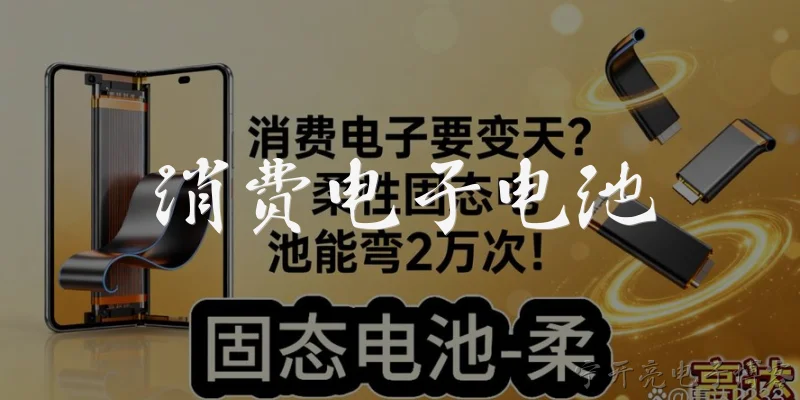
A: Consumer electronics primarily use lithium-ion (Li-ion) and lithium-polymer (Li-Po) batteries due to their high energy density, lightweight design, and long cycle life. Li-ion batteries are found in smartphones, laptops, tablets, and cameras, while Li-Po variants power ultra-thin devices like smartwatches and wireless earbuds because they can be shaped into custom form factors. Nickel-metal hydride (NiMH) batteries remain common in rechargeable AA and AAA cells for remotes, game controllers, and toys, offering a safer but heavier alternative. Alkaline batteries still dominate single-use applications such as TV remotes, clocks, and smoke detectors due to their low cost and long shelf life. Emerging options include solid-state batteries, which promise higher energy density and improved safety, though they are not yet mainstream. Understanding the specific battery type helps consumers choose the right replacement, avoid compatibility issues, and dispose of them properly. Always match voltage and chemistry when replacing batteries to prevent damage or safety hazards.
Q: How can I extend the lifespan of batteries in my consumer electronics?
A: To maximize battery lifespan in consumer electronics, avoid extreme temperatures, keep charge levels between 20% and 80%, and prevent full discharges. Li-ion batteries degrade fastest when stored at 100% charge or exposed to heat above 30°C (86°F). For devices used daily, partial charges are better than full cycles. If storing a device for months, discharge to about 50% and keep it in a cool, dry place. Use manufacturer-approved chargers to prevent overvoltage, and avoid fast charging when not needed, as high currents generate heat. For NiMH batteries, discharge them fully once every few months to prevent memory effect. Additionally, turn off unnecessary features like Bluetooth and GPS when not in use, and enable battery-saving modes. Regularly update firmware, as optimizations can improve power management. Finally, remove batteries from devices that won't be used for weeks to prevent leakage or corrosion. Following these practices can double or even triple the useful life of your batteries.
Q: What are the safety and environmental concerns with consumer electronics batteries?
A: Consumer electronics batteries raise significant safety and environmental concerns. Safety risks include overheating, swelling, and fires, especially in lithium-ion batteries damaged by physical impact, overcharging, or manufacturing defects. Incidents like smartphone fires and e-cigarette explosions highlight the importance of using certified chargers and avoiding cheap replacements. Environmentally, batteries contain heavy metals like cadmium, lead, and mercury (in older NiMH and alkaline cells) that can leach into soil and water if landfilled. Lithium-ion batteries also pose fire hazards in recycling facilities if punctured. Proper disposal is crucial: take batteries to designated recycling centers or retailer drop-off programs, never throw them in regular trash. Many regions have regulations mandating battery recycling, such as the EU Battery Directive. Manufacturers are increasingly designing for recyclability and using fewer toxic materials, but consumer participation remains key. By recycling, you help recover valuable metals like cobalt, nickel, and lithium, reducing mining demand and pollution.
Dialogue about
Common scenarios of "Consumer Electronics Batteries"
【Customer】 Hi, I'm looking for a new battery for my smartphone. Can you help me choose the right one?
【Salesperson】 Of course! To recommend the best battery, I need to know your phone model and your typical usage. What phone do you have?
【Customer】 I have a Samsung Galaxy S21. I use it heavily for gaming and streaming, so battery life is crucial.
【Salesperson】 Got it. For the S21, we have a few options: original Samsung batteries, high-capacity third-party ones, and fast-charging compatible models. Do you prefer original or are you open to third-party?
【Customer】 I'm open to third-party if they're reliable. What's the difference in capacity and price?
【Salesperson】 Original Samsung battery is 4000mAh, priced at $50. A popular third-party brand offers 4500mAh for $35, and it supports fast charging. But note, third-party batteries may void your warranty.
【Customer】 My warranty is already expired, so that's not an issue. How about the lifespan? I don't want to replace it again soon.
【Salesperson】 The third-party one has a lifespan of about 500 charge cycles, similar to original. But if you want longer, we have a premium third-party with 600 cycles for $45.
【Customer】 That sounds good. Can you tell me about the installation process? Is it easy to replace myself?
【Salesperson】 It's moderately difficult. You'll need a heat gun or hair dryer to soften the adhesive, and a plastic pry tool. We offer a kit for $10. Or we can install it for you for $20.
【Customer】 I'll try installing it myself. I'll take the premium third-party battery and the toolkit.
【Salesperson】 Great choice! That'll be $55 total. Do you also need a new back adhesive? The old one often gets damaged during removal.
【Customer】 Oh, good point. Yes, add that. How much?
【Salesperson】 Adhesive is $5. So total is $60. Would you like to pay by card or cash?
【Customer】 Card, please. Also, do you offer any warranty on the battery?
【Salesperson】 Yes, the premium battery comes with a 1-year warranty covering defects. Just keep your receipt. Here's your card back and the receipt.
【Customer】 Thanks. One more thing: should I calibrate the new battery? I've heard it's good to fully drain and recharge.
【Salesperson】 Yes, for the first few cycles, it's recommended to drain to 0% and charge to 100% to calibrate the battery gauge. After that, avoid full drains to extend lifespan.
【Customer】 Good to know. I'll do that. Thanks for your help!
【Salesperson】 You're welcome! If you have any issues, feel free to come back. Have a great day!